
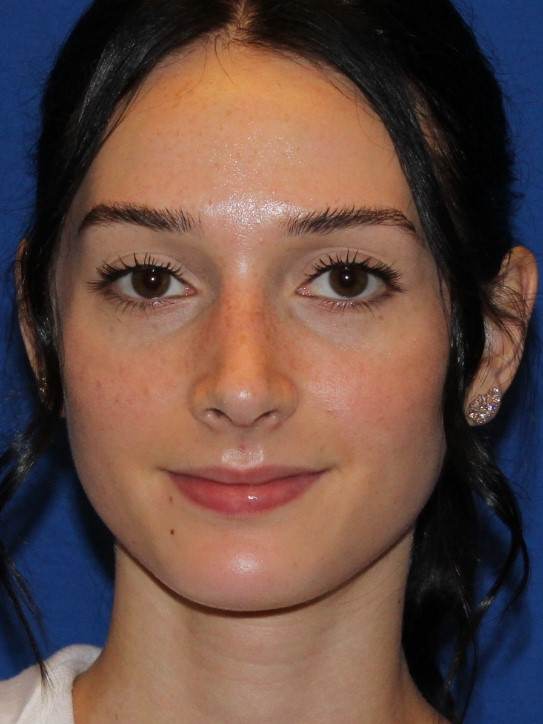
Real patient result with a simplified diagram of the structural changes performed · Results vary by patient
Refinement in Balance with the Face
The appearance of the nose emerges from a complex three-dimensional interplay of contour, curvature, proportion, skin texture, soft-tissue thickness, and the changing patterns of light and shadow across its surface. Rhinoplasty thoughtfully refines these elements to improve balance and harmony with the surrounding facial features while preserving a natural appearance.
Modern rhinoplasty began in the 1880s, when otolaryngologist John Orlando Roe showed that the shape of the nose could be corrected entirely from inside the nostrils without an external scar. Jacques Joseph then developed the reduction approach in the early 1900s, lowering the hump and narrowing bone and cartilage with precise cuts. For much of the twentieth century, rhinoplasty focused predominantly on reducing the existing nasal framework.
Over time, the limitations of this approach became increasingly apparent. Excessive reduction could weaken the structural support of the nose, leading years later to collapse, visible signs of surgery, impaired breathing, and the need for revision. Jack Sheen’s 1978 text Aesthetic Rhinoplasty changed direction by pairing conservative reduction with cartilage grafting to rebuild support. The external, or open, approach—first described by Rethi and later popularized by Goodman, Anderson and Gunter—gave surgeons the view needed to do that precisely.
Dean Toriumi carried this work into structural rhinoplasty, while Rollin Daniel and Ruben Saban later renewed interest in preservation, which repositions tissue rather than simply removing it. Guided by the lessons of these pioneering surgeons and the many others who advanced the field, Dr. Kim’s philosophy emphasizes cautious, precise, and methodical refinement of the skin, soft tissue, cartilage, and bone—making only the changes necessary to achieve a subtle, harmonious result while preserving the structural support of the nose.
Contemporary rhinoplasty includes three principal philosophies: reduction, structural, and preservation. Understanding how each approach affects the skin, cartilage, bone, and airway allows the operation to be tailored to the patient’s anatomy and goals.
The reduction philosophy addresses anatomic excess through measured removal and contouring. The soft-tissue envelope must be respected according to its thickness; the cartilage may be conservatively trimmed or shaved; and an excessive bony dorsum may be precisely reduced. Its success depends upon restraint, because excessive reduction can destabilize the framework and produce delayed contour or functional problems.
The structural philosophy creates or restores support beneath the soft-tissue envelope. Stronger cartilage architecture can provide definition beneath thicker skin, while thin skin may benefit from delicate camouflage over the framework. Septal, auricular, or costal cartilage grafts can reinforce the dorsum, middle vault, tip, and nasal valves according to the needs of the individual nose.
The preservation philosophy maintains the continuity of native structures wherever possible. Soft-tissue attachments are protected, dorsal cartilage is retained, and the bony-cartilaginous vault may be repositioned rather than dismantled. This approach can preserve natural contour and support in appropriately selected anatomy, although significant deviation, asymmetry, or prior surgery may require another strategy.
Dr. Kim views these philosophies as complementary principles that can be applied selectively according to the needs of each individual nose. Careful examination of the skin and soft tissue, cartilage, bone, airway, facial proportions, and patient goals determines which principles should be incorporated into a bespoke operation designed to produce balanced, harmonious refinement without sacrificing support or function.
The approach is the route to the framework. In closed, or endonasal, rhinoplasty, every incision is inside the nostril. In open rhinoplasty, one additional small incision across the columella—the strip of skin between the nostrils—allows the skin to be lifted and the framework viewed directly, permitting accurate placement of grafts and sutures.
Open surgery brings somewhat more swelling, longer numbness of the tip and a small external scar that usually fades well. Closed surgery has a shorter early recovery but provides more limited exposure. Published reoperation rates do not differ meaningfully between the two, so the choice is based on the access a particular operation requires.
We use the open approach in approximately 85 percent of patients. The closed approach is reserved for limited work, such as lateral osteotomies or a small hump reduction. Procedures involving the tip, as well as revision operations, are generally performed through an open approach.
Population-level descriptions of nasal anatomy can offer useful clinical context, but they have limited predictive value for an individual patient. Features associated with European, Mediterranean, Middle Eastern, East Asian, African American, Hispanic, Latino, or mixed ancestry overlap substantially. Surgical planning must therefore be based upon direct examination of the patient rather than assumptions derived from a demographic category.
The skin and soft-tissue envelope varies in thickness, sebaceous quality, fibrofatty volume, elasticity, and its capacity to contract around a modified framework. A thinner envelope provides greater definition but less tolerance for underlying irregularity. A thicker envelope offers greater camouflage but may require stronger structural support and a longer period for refinement to become visible. Because a thicker envelope can undergo more prolonged swelling and contraction during healing, it may also require closer follow-up with individualized taping, molding, manipulation, or massage.
The cartilaginous framework varies in strength, thickness, resilience, orientation, and available graft material. These characteristics determine whether the cartilage should be reduced, repositioned, preserved, sutured, or reinforced.
The bony vault varies in length, width, projection, density, and symmetry. Treatment may involve precise reduction, osteotomy and repositioning, augmentation, or preservation of the existing dorsal architecture.
Anatomic features may reflect aspects of a patient’s heritage, but the meaning of those features—and the desire to preserve or refine them—is entirely individual. Dr. Kim combines careful examination with attentive listening to understand which characteristics matter to the patient, which changes are realistically achievable, and which features should remain. Only then is a surgical plan developed to create balanced, natural refinement while preserving the patient’s familial, cultural, and personal identity.
In cosmetic rhinoplasty, appearance may be the primary objective, but the function of the nose must remain an essential part of every surgical decision.
The nasal airway depends upon a carefully balanced relationship among the septum, internal and external nasal valves, cartilage, bone, and surrounding soft tissue. Refining the tip, reducing a dorsal hump, narrowing the nasal bones, or repositioning cartilage can alter that relationship and potentially affect breathing.
Whether the operation draws from reduction, structural, preservation, or a combination of these philosophies, Dr. Kim considers how each maneuver may influence both appearance and function. Existing breathing concerns are evaluated before surgery, and structural support is preserved or reinforced when necessary. More detailed information about septal deviation, nasal-valve narrowing, turbinates, and other causes of obstruction is available on the Functional Nasal Surgery page.
Healing is a gradual process, and attentive care during each phase allows the tissues to recover predictably as the final result emerges.
Surgery creates the new nasal framework, but the visible result develops over time as swelling resolves and the surrounding tissues adapt to the underlying structure. Careful adherence to activity restrictions and post-operative guidance helps support the healing process during each phase.
Swelling, bruising, congestion, and tightness are expected. The splint protects the altered framework during its earliest period of healing. External sutures and the splint are ordinarily removed near the end of the first week, depending upon the procedure and clinical findings.
The nose remains swollen, but its appearance becomes increasingly presentable. Work and ordinary daily activities commonly resume during this period. Exercise is reintroduced gradually after clearance, while activities that may place force, pressure, or impact upon the nose remain restricted.
The bridge and nasal sidewalls refine before the tip. The soft-tissue envelope may remain firm or uneven as swelling and scar tissue reorganize. Selected patients may benefit from directed taping, molding, manipulation, or massage under Dr. Kim’s guidance.
The skin and soft tissue continue to soften as the cartilage, framework, and internal scar tissue mature. The final contour emerges gradually, and patients with a thicker envelope may continue to see meaningful refinement beyond the first year.
The first year of follow-up matters because several healing concerns are easier to address early. Dr. Kim determines the timing of each step during post-operative visits because healing varies with the skin, the technique and the individual patient. Every patient receives written instructions.
Taping and splinting. Tape over the dorsum supports the nose during healing and helps limit swelling and stretching of the skin and scar.
Massage and molding. Once the tissues are ready, gentle massage and molding can soften scar tissue and help refine the tip.
Steroid injection. When soft-tissue fullness persists above the tip, a small triamcinolone injection may reduce it. Because steroid can also thin the skin, remove soft-tissue volume, produce small surface vessels or lighten the skin, we use small, spaced doses only when the fullness is soft tissue rather than a structural issue.
Scar care. Silicone tape can improve the pliability of the small columellar scar after open rhinoplasty. Once mature, a scar that remains visible may be treated with fractional or ablative laser resurfacing selected for that scar.
Published revision rates vary by series, from approximately 3 percent of primary patients in a large database to 15 percent or more in some single-surgeon reports, and rates are higher after an aggressive first operation. Reasons include a residual hump; asymmetry of bone, cartilage or soft tissue; a weakened segment of lower lateral cartilage; or a visible cartilage contour at the tip.
Some imperfections are too small to justify another operation. After the first year, a small contour irregularity may sometimes be refined with a very small amount of hyaluronic acid filler. Treatment is considered only after full healing and with hyaluronidase immediately available.
Cost has three parts — surgeon's fee, facility fee and anesthesia. A tip rhinoplasty, a full primary septorhinoplasty and a revision requiring rib cartilage are different operations at different prices. The office provides exact written figures once your operative plan is set.
The cosmetic portion never is. The functional portion often is — septoplasty, turbinate reduction and nasal valve repair are medical procedures billed separately from cosmetic work, with documentation of medical necessity. If you have both a breathing problem and an appearance concern, a combined operation means one anesthesia, one recovery, and the functional half submitted to your insurer. Our office manages pre-authorization and tells you what is approved before surgery.
Preservation rhinoplasty lowers the bridge without dismantling it — the natural dorsal line is kept intact and set lower rather than cut down and rebuilt. Head-to-head studies through 2026 show comparable breathing results and comparable one-year satisfaction, with two real differences: preservation produces fewer dorsal contour irregularities, and it carries roughly three times the chance that some hump returns. Better for some noses, not better in general.
It can improve it substantially, worsen it, or leave it unchanged — which one depends entirely on whether the airway was assessed and planned for. Cosmetic maneuvers such as narrowing the bridge or reducing a hump directly affect the internal nasal valve, the narrowest point of the airway. Dr. Kim is board certified in both otolaryngology and facial plastic surgery, and the internal exam is part of every rhinoplasty consultation, including purely cosmetic ones.
Three-dimensional volumetric studies give a clearer answer than the usual estimates: about two-thirds of the swelling is gone at one month, 95% at six months, and 97.5% at one year. Practically, most patients are publicly presentable at two weeks, and the nose keeps refining for a year or more. Thicker skin holds tip swelling longer — that part is clinical experience rather than measured data, and we say so.
Less than most patients expect. The dominant complaint in the first week is congestion and pressure rather than pain. Discomfort is usually well controlled in the first two to three days and most patients are off prescription pain medication quickly. There is an on-call physician during off-hours, and surgical patients have direct access to the surgeon for surgery-related questions; the office number is 315-471-8404.
Neither, in general. Closed (endonasal) rhinoplasty leaves no external scar and works well for less complex reshaping. Open rhinoplasty adds a fine incision across the columella and gives direct, undistorted access to the framework, which is what complex asymmetry, significant structural grafting and revision work require. Published data show similar revision rates between the two. The approach is chosen from your anatomy, not from a default preference.
The nose looks presentable at about two weeks and looks good at three months. The final result — tip definition in particular — is generally a year, and longer in thick skin. This is also why revision is not considered before about twelve months: half of all revisions occur between eight months and two years, which is exactly the window in which the true result becomes visible.
That look has specific causes: an over-narrowed middle third, a scooped bridge, an over-rotated tip, retracted nostril rims, and pinched tip cartilage — nearly all of them the delayed consequence of removing structure without replacing support. Avoiding it is a matter of technique and restraint, not of asking for a 'natural' result at consultation.
Yes, and it is usually the better plan. The two operations share the same surgical field, and septal cartilage removed for the breathing correction becomes the graft material for the cosmetic work instead of being discarded. One anesthesia, one recovery, and one surgeon responsible for both results.
A revision is a second operation to correct a result that fell short. Purely cosmetic single-practice series report rates of roughly 8.6% to 9.8%, with the published literature spanning about 5% to 15%; large insurance databases report about 3%, but that number undercounts cosmetic revisions. Once a nose has been operated on, the rate for the next operation rises to around 11%. Revisions are harder: scar tissue, depleted septal cartilage, and graft material usually taken from ear or rib.
Hyaluronic acid filler can temporarily camouflage a small dorsal irregularity or add a little projection, and it can be a useful way to preview a limited change. It adds volume only — it cannot remove a hump, narrow a nose, refine a tip, or improve breathing, and it carries its own vascular risks in the nose specifically. It fits a narrow set of problems well and is misleading for anything larger.
Shown with patient consent. Results vary.
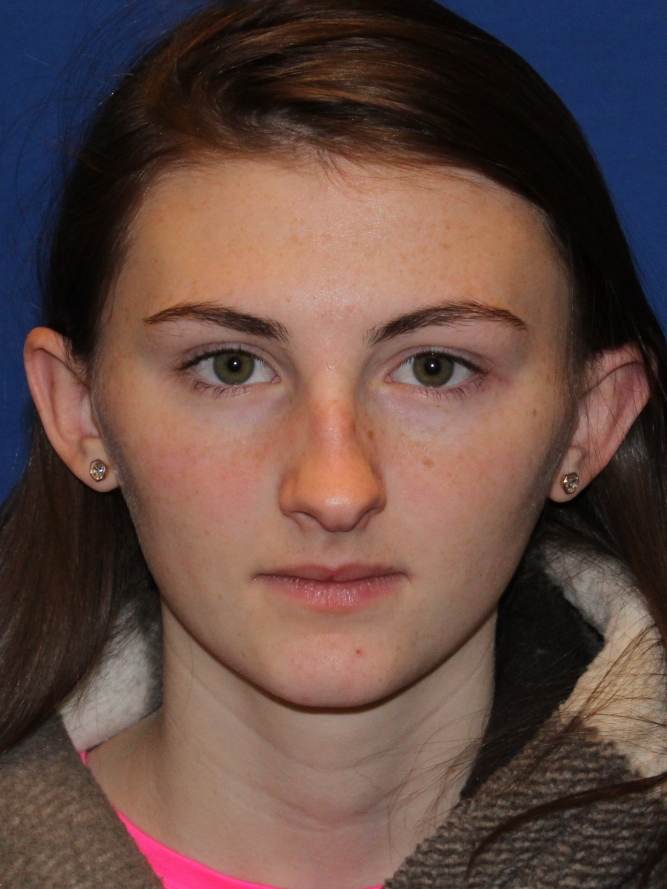
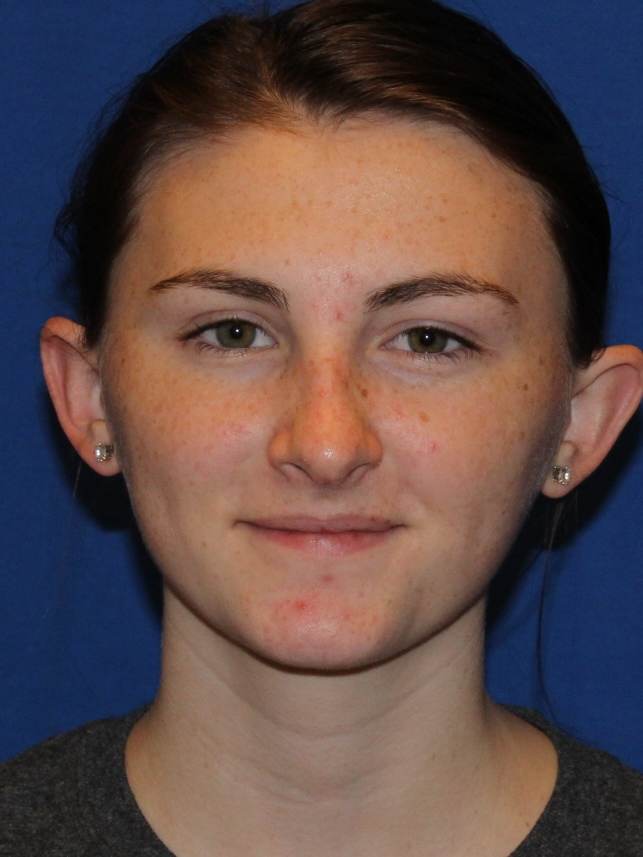

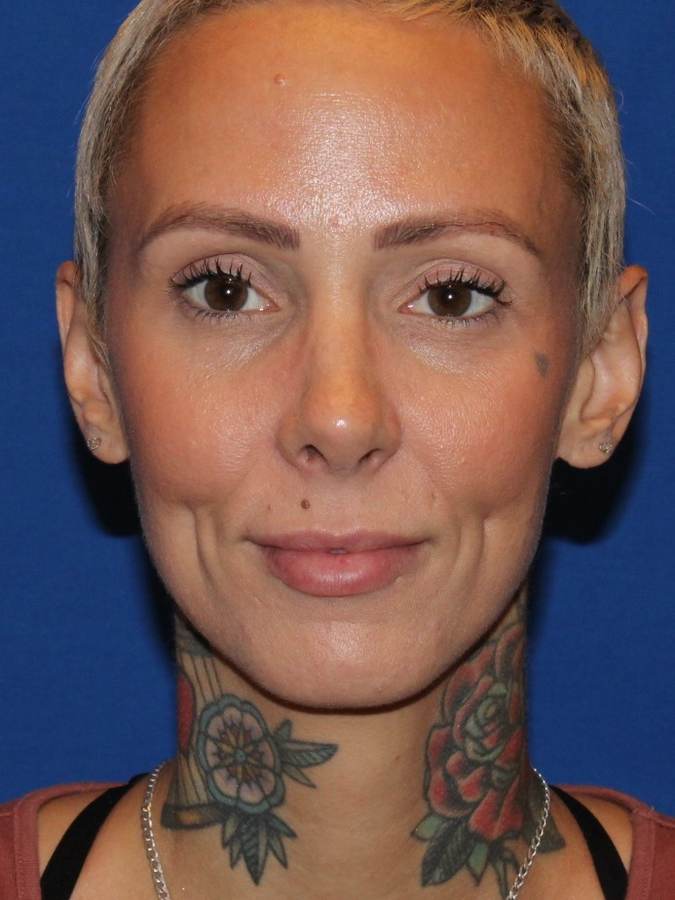
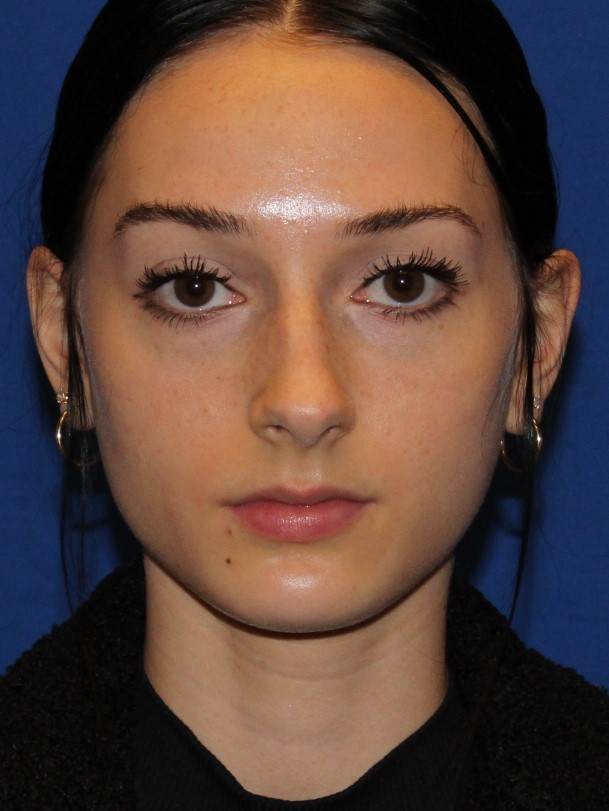
Consultations are available at our Rochester and Manhattan offices. Surgery is performed in Syracuse, New York, at our accredited surgical suite, and patients travel to Syracuse for the procedure.
Patients from New York City stay at our guest house in Syracuse for the first week and return home after the one-week visit, when sutures are removed. Patients from Rochester stay at a local hotel the first night and then return home, and they return to Syracuse for the one-week visit.
Consultations in Rochester, Manhattan / Sutton Place or Syracuse.
"Needed Mohs surgery to remove a skin cancer on my nose. Following the off-site procedure, it looked pretty nasty. However, Dr. Kim patched me up very nicely. Two weeks later, no one except me really notices."
"Doctor Kim and his staff are very pleasant to work with and highly skilled. They fixed my nose in a heartbeat. It came out great. Highly recommend."
"I just had a rhinoplasty and am already healing beautifully. Dr. Kim is beyond friendly, smart, honest, and a man of his word. He provides his personal cell number after surgery in case you need him. Thank you for giving me my dream nose."
"I broke my nose 11 years ago and haven't been able to breathe well since. I'm 2 months post-op with Dr. Kim and my breathing has changed completely. My nose looks natural, with little to no scarring."
"At 63 years old having a facelift and necklift surgery was a huge decision to make. Dr. Kim was very professional and explained everything in detail. I felt very comfortable there."