Double Board-Certified, Harvard-Trained · 141 Documented Before-and-After Cases · 4.9 Average  ·  314 Reviews

Why the face hollows as we age

Facial aging isn't only about sagging skin — it's also a loss of the soft, round fullness that gives a youthful face its shape.

Bone Resorption

The underlying facial bones gradually lose density and volume with age, reducing the structural support beneath the skin and soft tissue.

Fat & Muscle Shrinkage

The deep and superficial fat compartments of the face — and the muscles beneath them — shrink over time, most noticeably in the cheeks, temples, and under-eyes.

Soft-Tissue Migration

As support structures weaken, soft tissue gradually droops and migrates downward — facial "droop" that compounds the hollowed, tired appearance of volume loss.

Volume loss isn't only an aging phenomenon — endurance athletes, patients after significant weight loss, and those with certain hereditary traits can experience the same hollowed appearance at a younger age.

How fat transfer actually works

The procedure begins with traditional liposuction — typically from the abdomen, through a small incision near the belly button — to harvest donor fat. The harvested fat is then carefully processed to prepare it for transfer, removing excess fluid and isolating healthy fat cells.

Dr. Kim then reinjects the processed fat using a micro-cannula, in small layered increments rather than large deposits. This layered, deep-plane technique matters: injecting fat in small aliquots maximizes contact with the surrounding blood supply, which is essential for graft survival, and avoids the palpable lumps or nodules that can result from injecting too much fat in one place.

Why some fat is intentionally "lost"

Not all transferred fat survives permanently — a portion is naturally reabsorbed by the body in the first few months as the graft establishes a new blood supply, a process sometimes called "take" or graft survival. Because of this, Dr. Kim intentionally overcorrects at the time of surgery, anticipating that some volume will resorb during healing. The fat that does survive behaves like natural facial tissue from then on — it stays put, and ages along with the rest of your face. In some cases, a smaller touch-up session is planned once the initial healing and resorption has stabilized, usually a few months after the first procedure.

Why some patients choose their own fat over synthetic filler

Both approaches restore facial volume, but they work differently. Hyaluronic acid fillers, Radiesse, and Sculptra are synthetic or biosynthetic materials injected in-office with no downtime, but they're temporary — typically lasting 6 months to a few years depending on the product — and cost scales directly with volume, since each additional cc adds to the price.

Fat transfer uses living tissue that is truly your own — most patients have ample donor fat around the abdomen to spare, one treatment session can restore a substantial volume (commonly 20cc or more) across multiple facial areas, and because it's your own tissue integrated into the face, there's no risk of an allergic or foreign-body reaction. Fat grafts also contain adipose-derived stem cells, which are understood to support graft survival and may contribute to some improvement in the quality of the surrounding skin, though this benefit should be discussed with realistic expectations rather than as a guaranteed outcome.

Am I a candidate for facial fat transfer?

  • Hollowed cheeks, temples, or under-eyes from volume loss
  • Adequate donor fat available (commonly the abdomen or flanks)
  • Want a longer-lasting alternative to repeat filler treatments
  • Interested in combining volume restoration with a facelift, neck lift, or eyelid surgery

Best as part of a comprehensive plan

Facial fat transfer is frequently combined with a facelift or blepharoplasty in the same surgery, sharing a single recovery period, since restoring lost volume alongside lifting and tightening tends to produce a more complete, natural rejuvenation than either approach alone. Dr. Kim will discuss whether fat transfer as a stand-alone treatment, or as part of a broader surgical plan, best fits your goals and anatomy at consultation.

What recovery actually looks like

Recovery involves two sites — where fat was harvested, and where it was injected. There's an on-call physician during off-hours, and every surgical patient has direct access to the surgeon's personal cell phone for surgery-related questions.

First Few Days

Swelling at the injection sites is normal and expected — much of it comes from the numbing medication and saline solution used during transfer, which the body absorbs quickly. Bruising can occur at both the donor (harvest) site and the facial injection sites.

1–2 Weeks

Most patients can resume normal daily routines within a few days, avoiding strenuous activity initially. It's normal for the face to look fuller than your final result during this window — this is swelling, not your actual outcome.

Several Months

As the initial swelling fully resolves, you may notice the added volume seems to be "settling" or reducing — this is the graft establishing its new blood supply, not a sign of failure. The final, more modest but stable result becomes clear over the following months.

Manhattan & Rochester Patients — Recovery Program

As with any surgical procedure, facial fat transfer carries standard surgical risks, which Dr. Kim reviews individually with every patient during consultation.

Facial Fat Transfer FAQs

How does facial fat transfer compare to dermal fillers?

Facial fat transfer restores volume using your own living tissue, which integrates with surrounding structures and carries no risk of allergic reaction. Dermal fillers use synthetic materials that are temporary, requiring ongoing maintenance visits. Fat transfer can offer more permanent results that age naturally along with the rest of your face.

Will the fat stay in place after the transfer?

Some of the transferred fat is naturally reabsorbed by the body, but a significant portion establishes a blood supply and remains long-term. Results typically stabilize within a few months. In some cases, a second, smaller session is planned to achieve the desired level of volume once initial healing has settled.

What is recovery like after facial fat transfer?

Most patients experience swelling and mild bruising at both the donor site and the face for one to two weeks. Strenuous activity should be avoided initially, though normal daily routines can usually resume within a few days. Because fat is injected in a deep plane in small increments, the risk of visible lumps is minimized.

Can fat transfer be combined with other procedures?

Yes — fat transfer is frequently performed alongside a facelift, neck lift, or eyelid surgery in the same operation, sharing a single recovery period for a more comprehensive rejuvenation.

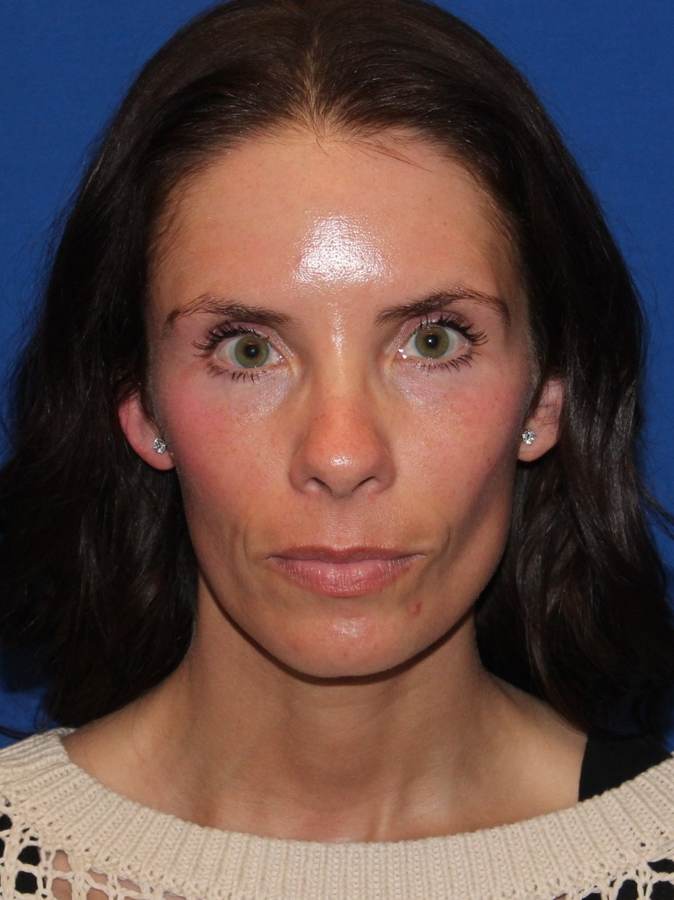
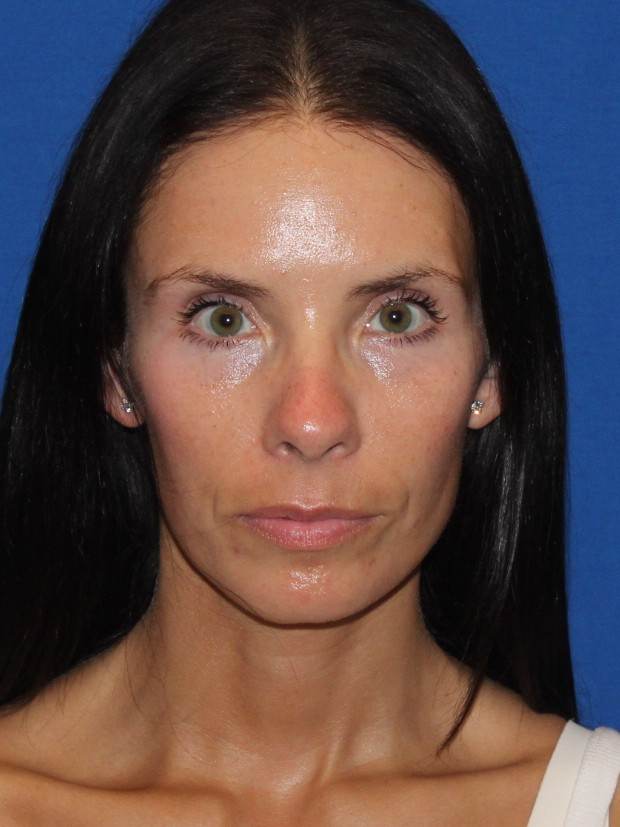
Actual patients of Dr. Kim

Shown with patient consent. Individual results vary by anatomy, technique, and healing.

Facial Fat Transfer patient before, front view Facial Fat Transfer patient after, front view
Case 1Before (left) & after (right) — front view

View More Facial Fat Transfer Results in the Full Gallery →

In their own words

★★★★★

"I've had two surgeries with him. The 1st was a body fat transfer to my cheeks, after having weight loss surgery I felt I needed some volume in my cheeks — I was very happy with the way that turned out."

T. — RealSelf
★★★★★

"Dr. Kim's staff is nothing short of AMAZING! They absolutely go above and beyond for their patients; they are so caring. Dr. Kim is truly at the top of his field in Facial Plastic Surgery."

T. — RealSelf
★★★★★

"Absolutely love Natural Face Clinics — Dr. Kim is amazing. He is professional, knowledgeable and the staff are fabulous! I would never go anywhere else."

M.M. — Google
4.9 average rating  ·  314 reviews
Featured In
AllureMarie ClaireChicago TribuneDaily MailGood HousekeepingWCNY (PBS)NewsChannel 9 WSYR (ABC)