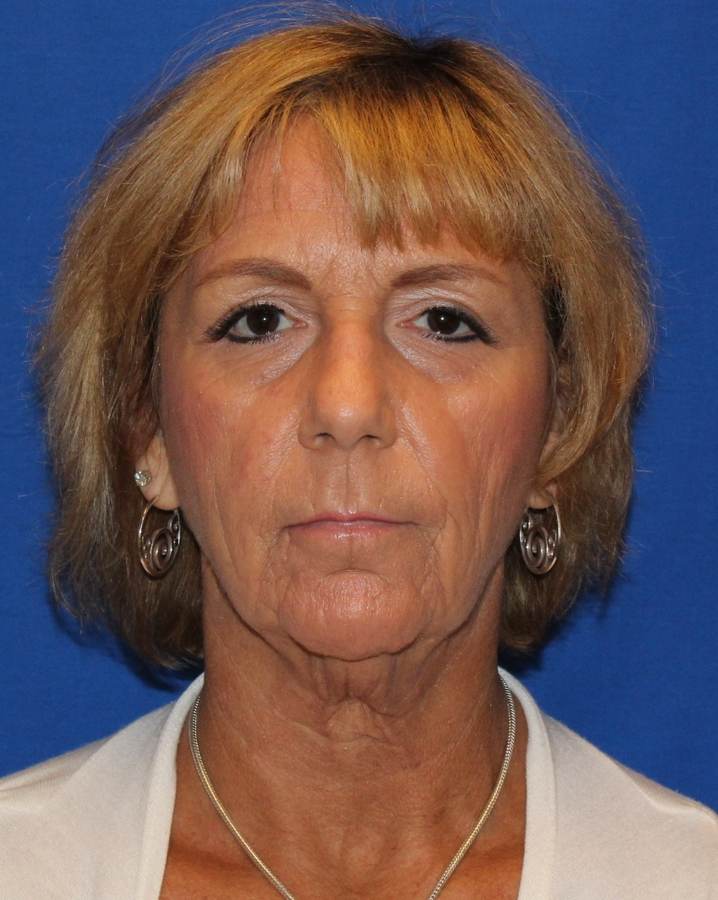
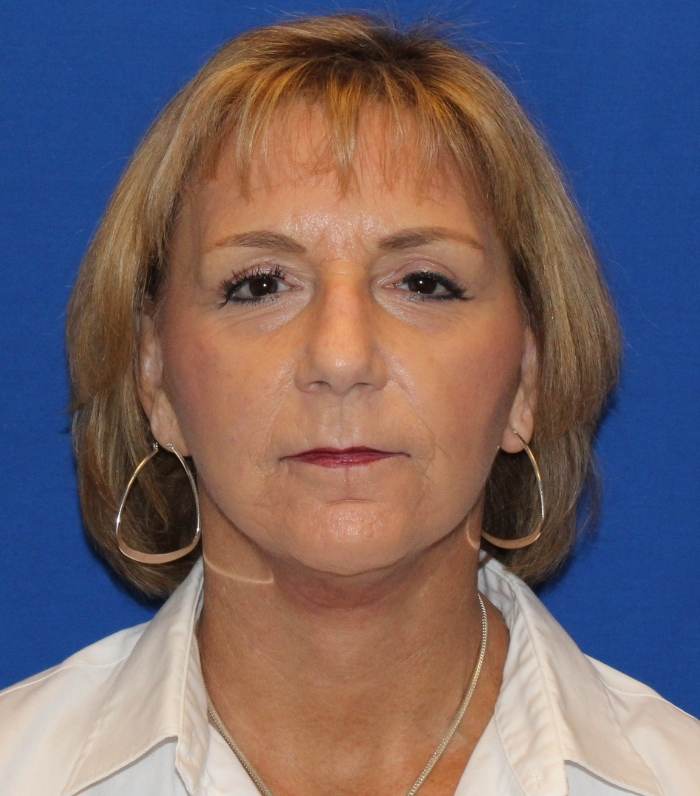
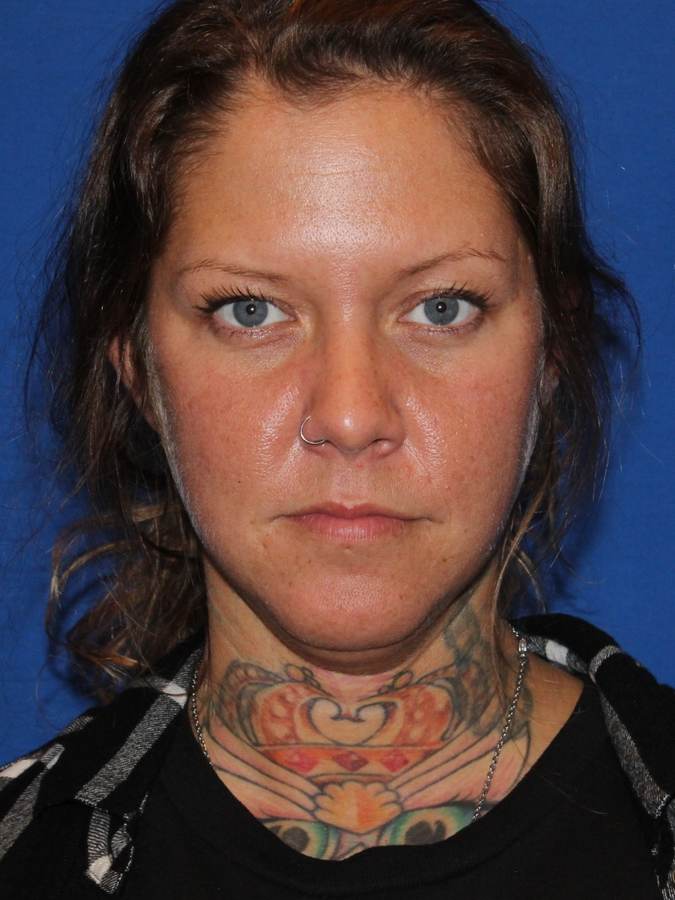
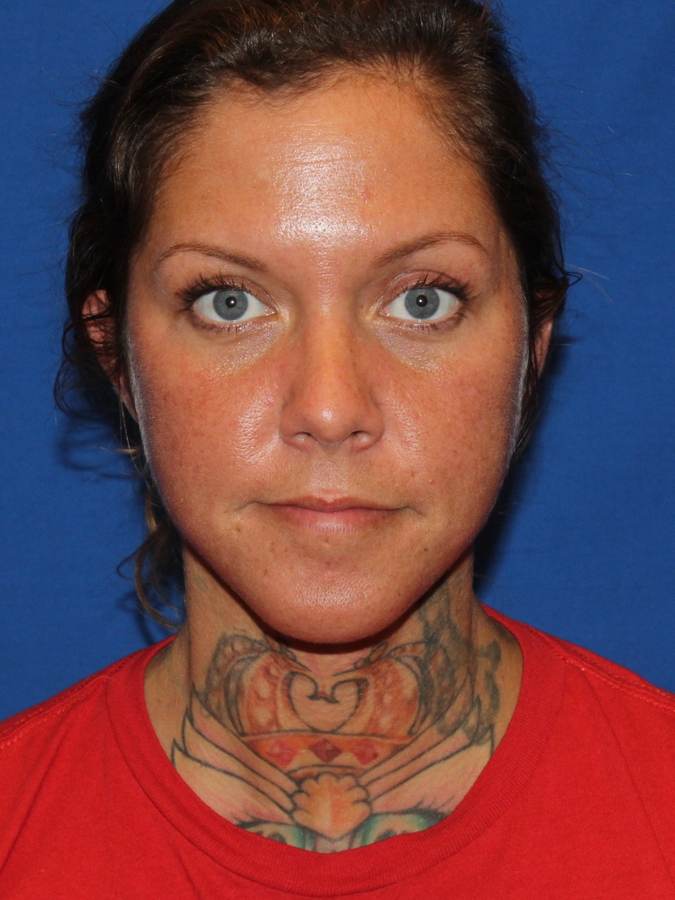
Common Questions
Blepharoplasty FAQs
How long does it take to recover from blepharoplasty?
Most bruising resolves within 10 to 14 days and swelling is markedly improved by 7 to 10 days, though it takes some weeks to settle completely. Most patients take one week off work; heavy lifting, bending and exercise wait two weeks. These are our figures, not trial data.
What is the difference between upper and lower blepharoplasty?
Upper blepharoplasty removes redundant skin, and where indicated a little fat, through the natural upper lid crease. The lower lid is treated by a transconjunctival approach through the lining, with no skin incision, for bulging fat; by a narrow skin pinch beneath the lashes for modest excess skin; or by both.
What is a lower eyelid skin pinch, and who needs one?
A narrow strip of loose skin is removed from just beneath the lower lashes. It suits a modest excess of skin and does not treat fine wrinkles. It is not suitable for a lid that is already lax, because that lid has no skin to spare, so the snap-back test comes first.
Will my eyebrows drop after upper blepharoplasty?
They can, and operating on a brow that has already descended lowers it further and makes the result worse. In a 48-patient comparison brow height fell 6.13% after blepharoplasty alone and rose 2.99% when a browpexy was added; in a 70-patient series the brow descended in 34.2%, mostly mildly. The studies are small, so neither is a rate for an individual.
Does blepharoplasty cause dry eye?
Less often than the consent script suggests. Pooling 12 randomized trials and 450 patients, dry eye symptoms were lower after upper blepharoplasty than before (odds ratio 0.22). Temporary dryness in the first weeks is common, and a patient whose eyes are already dry is assessed before surgery, because the average does not apply.
What is the snap-back test?
A bedside test of lower lid laxity. The lid is drawn gently from the eye and released; a healthy lid returns at once, a lax lid is slow or needs a blink. It decides whether the transconjunctival operation is enough, whether a pinch is safe, and whether the lid needs support.
Why do you see patients the morning after eyelid surgery?
Bleeding behind the eye is the time-critical complication: 0.055% of operations, about one in 2,000, with permanent visual loss in 0.0045%. Most cases came in the first three hours, so a visit cannot catch hour two; it examines the lids, eye and vision while the risk is falling. No trial shows it prevents vision loss.
What are the risks of blepharoplasty?
Orbital hemorrhage is the most serious (0.055%, with permanent visual loss in 0.0045%). Others are temporary dryness, incomplete closure, chemosis, asymmetry, scarring and, in the lower lid, retraction, a rounded corner or ectropion. No pooled rate exists for cosmetic lower lid malposition, so we give none.
How long do blepharoplasty results last?
We found no controlled long-term study that gives a number, and we will not invent one. Fat and skin removed do not return, but aging continues, and the brow keeps descending.
Will I look hollow, surprised or overdone?
A hollow look follows over-removal of fat; a surprised look, too much upper lid skin taken or a brow lifted too far; a round eye, a lower lid pulled down by too much skin or by laxity not recognized. Each is a planning problem found at consultation; a careful plan lowers the risk and cannot remove it.
What if I see no change, or want a revision?
First, time: swelling is still settling at three months, and surgeons commonly say healing continues to six. Second, cause: skin not fully removed, a brow never addressed, an unrecognized low lid margin, or a hollow that fat removal could not fill.
Is blepharoplasty done under general anesthesia?
Not here. Surgery takes place in the practice's AAAHC-accredited office-based suite in Syracuse, which does not use general anesthesia; eyelid surgery is done with local anesthesia and intravenous sedation, or local alone. In a 2026 pooled analysis of 3,283 facial cosmetic procedures under local anesthesia, major complications were 1.6%. We do not claim it is safer.
Can eyelid surgery be combined with a facelift or brow lift?
Yes, and many patients do, because the eyes often show age earlier than the jawline; one recovery serves both. We issue a shorter eyelid insert, and the other operation's sheet supplies head position, activity and the visit schedule.
What should make me call the office after eyelid surgery?
Persistent bleeding; severe pain (in or behind the eye, or a sandy feeling); a fever; and cough, shortness of breath or a cold or flu-like illness. Call 315-471-8404; an on-call physician covers after hours. A sudden fall in vision, or a lid that turns tense, bulging and painful, is an emergency; if no one can be reached, go to the nearest emergency department.