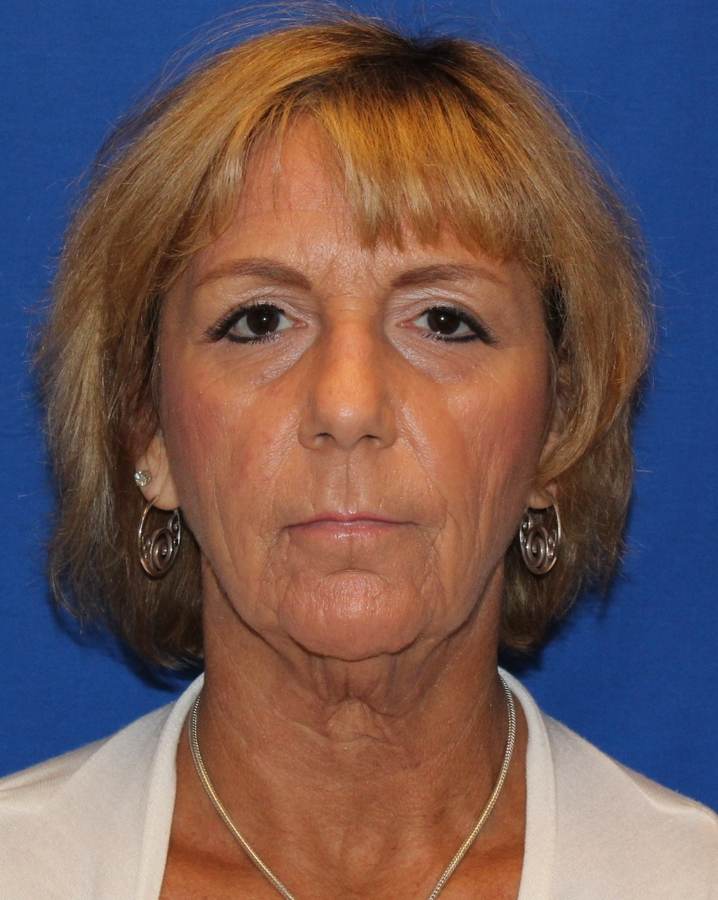
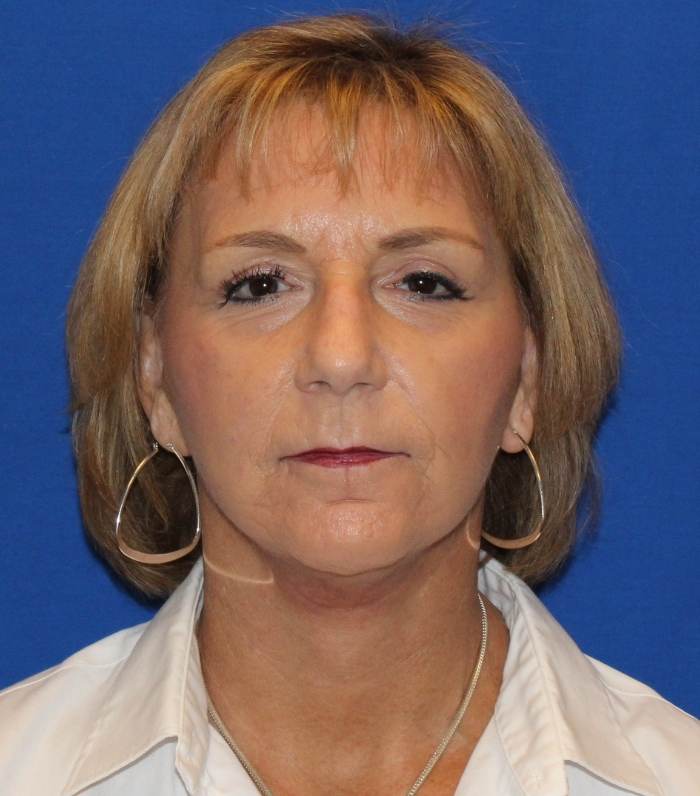
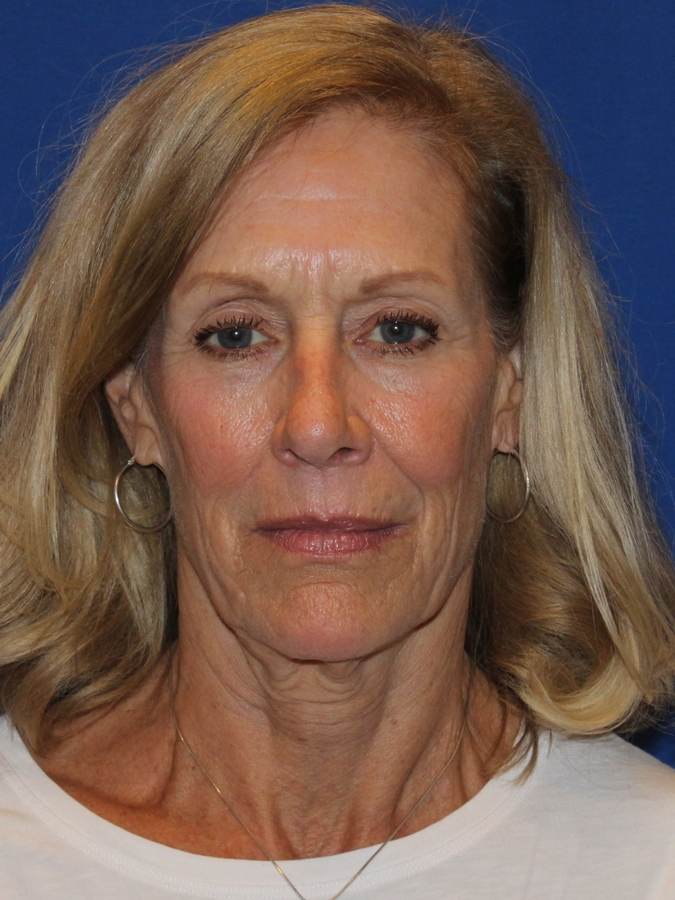
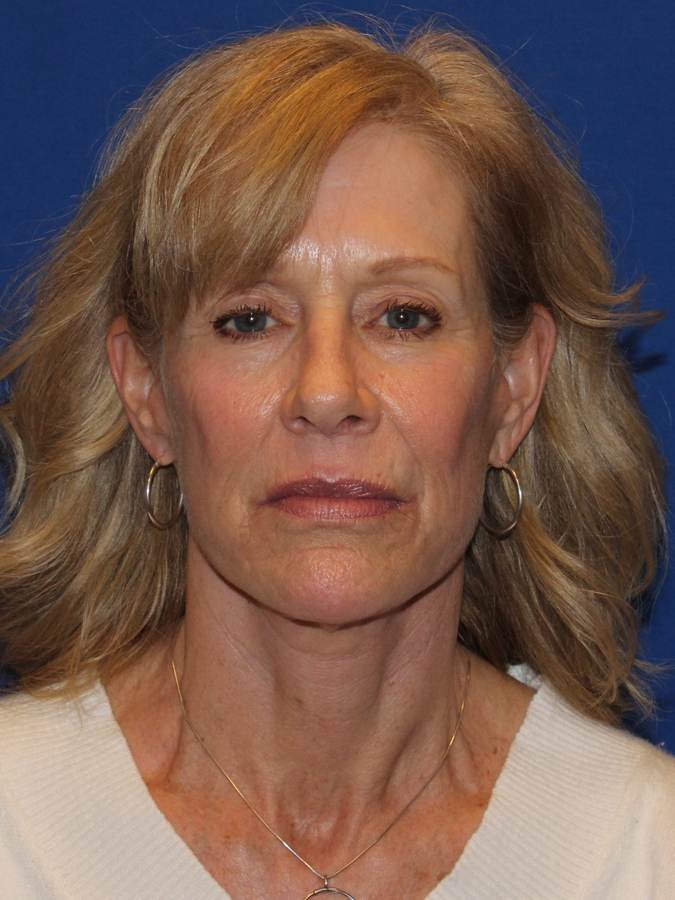
Facelift surgery is often presented as a contest between two opposing techniques: SMAS and deep plane. Deep-plane surgery currently receives greater attention and is frequently promoted as the newest or most advanced choice. The anatomy and clinical reality tell a more nuanced story.
Both are established approaches to facial rejuvenation. Neither is universally appropriate for every face. The more meaningful question is not which technique is best in general, but how much correction is appropriate for a particular patient’s anatomy, pattern of aging, goals, expectations, medical background, and recovery priorities.
The SMAS is the supportive layer beneath the skin that continues into the neck as the platysma. Modern facelift techniques differ in how this deeper layer is approached, how far the tissue is elevated, which retaining ligaments are released, and whether the skin and deeper tissues are repositioned separately or together.
These operations do not fall into two completely separate categories. They exist along a spectrum:
- A limited or mini biplane SMAS lift provides targeted correction for earlier changes, usually with less extensive dissection.
- A standard biplane SMAS lift addresses the deeper support of the lower face and neck while allowing the skin to be positioned without excessive tension.
- An extended biplane SMAS lift carries the dissection farther and releases selected retaining ligaments to provide broader correction.
- A preservation or limited deep-plane lift moves the skin and deeper tissues together while preserving selected structural attachments.
- An extended deep-plane lift releases more of the facial retaining ligaments, allowing greater movement of the cheek and midface tissues.
The middle of this spectrum contains an important gray area. As an extended SMAS dissection becomes broader and includes ligament release, it may begin to resemble a limited deep-plane procedure. The distinction can become a matter of degree, surgical design, and terminology rather than an entirely different operation.
During his early residency training, Dr. Kim was taught the traditional deep-plane facelift technique exclusively. He later expanded his training to include the extended biplane SMAS approach. With experience performing and refining both methods, he came to view them as points along a continuum rather than as two opposing choices.
Across that spectrum, the fundamental surgical principles remain consistent: working within the appropriate deep tissue plane, mobilizing the supportive structures of the face and neck—including the SMAS and platysma—and selectively releasing the retaining ligaments when greater movement is necessary. The extent of each maneuver is determined by the patient’s anatomy and the correction required.
A more extensive operation is not automatically a better operation. In a patient with significant cheek and midface descent, broader ligament release may provide an important benefit. In a patient with earlier aging, thinner tissues, or changes concentrated in the lower face and neck, the same degree of dissection may add complexity without producing a proportionally better result.
Overly extensive dissection or ligament release may also alter the natural relationship between facial tissues. The face may appear smooth and balanced at rest while displaying subtle, unnatural changes during smiling, speaking, or other expressions. Because the face is a dynamic structure, the goal is not the greatest possible degree of release, but the degree of correction most appropriate for that individual patient.
The opposite is also true. A procedure that is too limited for the patient’s anatomy may provide less correction than expected or may not adequately address the structures responsible for the visible aging changes.
Determining the appropriate degree of correction requires more than evaluating anatomy and cosmetic goals. The surgical plan must also account for the patient’s medical background, individual risk profile, expectations, willingness to undergo recovery, and available time for healing. More extensive surgery may provide broader correction, but it may also involve a somewhat higher risk profile and a longer period of swelling, healing, and recovery.
Selecting the appropriate surgical approach is both deeply personal and technically exacting. It requires the surgeon’s breadth of experience, depth of anatomical knowledge, technical skill, clinical judgment, and ability to listen carefully enough to understand what matters most to the patient.
The foundation of our practice is developing a thorough understanding of each individual. This begins with attentive listening and a detailed in-person examination of the face and neck. Dr. Kim considers the patient’s anatomy, pattern of aging, previous treatments, medical history, lifestyle, health, recovery priorities, and personal goals. For some patients, this process may require more than one consultation before the most appropriate plan becomes clear.
Only after these factors have been carefully considered is a specific surgical treatment plan developed. Two patients of the same age with seemingly similar concerns may therefore benefit from meaningfully different operations.
Dr. Kim does not approach facial rejuvenation with allegiance to a single technique. He thoughtfully considers every aspect of the patient and adapts the necessary elements from across the face-and-neck-lift spectrum to create a bespoke procedure tailored to the patient’s anatomy, objectives, health, and tolerance for recovery.