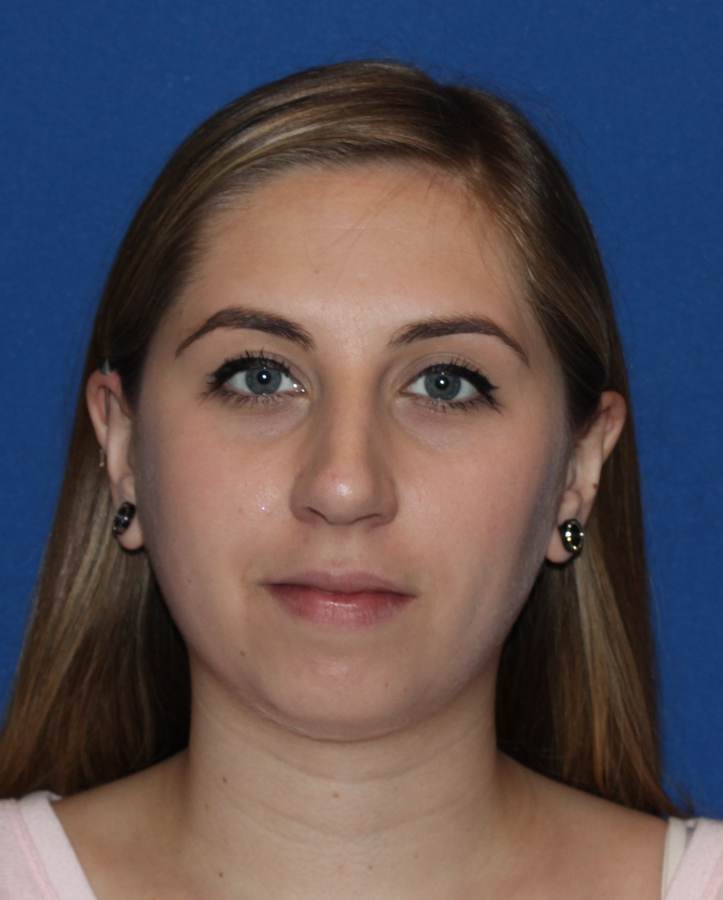
The dermatologist removes the cancer. The reconstruction is a different specialty.
Mohs micrographic surgery is performed by a dermatologist specially trained to remove skin cancer layer by layer, checking margins under a microscope until the tissue is completely clear. What's left behind is a defect that then needs to be closed — and for anything beyond the smallest, simplest areas, that reconstruction is its own specialty. Dr. Kim works as the facial plastic surgeon in that handoff, planning the repair for the best possible functional and cosmetic result.
Small, simple defects on forgiving areas of the face often heal nicely on their own or with a straightforward closure. But more delicate locations — the rim of the nose, around the eyelid, the lip, or the ear — frequently require borrowing tissue from surrounding areas to fill the defect in a way that preserves both function and appearance. That planning is a distinct reconstructive skill set from the excision itself, which is why facial plastic surgeons are often brought in specifically for this step.
Dr. Kim's dual board certification and surgical training give him both the anatomical precision to protect function — eyelid closure, nasal airway, lip mobility — and the aesthetic judgment to plan incisions and closures that camouflage as well as the defect allows. He plans each repair around your specific defect's size, depth, and location rather than applying one default closure to every case.
| Technique | Best Suited For |
|---|---|
| Primary (straight-line) closure | Smaller defects where nearby skin has enough natural laxity to close directly |
| Local flap (rotation, advancement, or rhombic) | Defects in areas like the nose, eyelid, or cheek, using adjacent tissue with matching color and texture |
| Skin graft (split- or full-thickness) | Larger defects, or areas without enough nearby tissue to flap |
| Healing by secondary intention | Select smaller, well-positioned defects that can heal well on their own with wound care |
In many cases, reconstruction happens the same day as the Mohs excision or very shortly after — addressing the defect before significant swelling sets in tends to improve both healing and the final cosmetic result. Dr. Kim coordinates directly with the dermatologist who performed your Mohs surgery so the handoff is smooth and the timing works for your specific case, whether that means immediate repair or a short planned delay.
Most repairs are done in-office under local anesthesia; more extensive reconstructions occasionally call for an operating room setting, which Dr. Kim will discuss with you based on the size and location of your defect.
Sutures are typically removed within one to two weeks depending on location, with most patients back to normal activity shortly after. It's normal for a fresh scar to look pink or slightly firm at first — that's part of the normal healing process, not a sign anything went wrong. Over the following months, most scars soften considerably and continue to fade, with final scar maturation generally reached at around one year.
If a scar hasn't settled the way you'd hoped by that point, options like silicone scar treatment, dermabrasion, laser resurfacing, or a formal scar revision can further refine the result. Sun protection over the healing area is one of the simplest things you can do to help a scar fade well.
Every effort is made to match your natural skin tone and texture, though some difference may remain depending on the size and location of the repair. Techniques like local flaps borrow nearby skin with a similar color and texture to help the area blend as seamlessly as possible, and most patients find scars soften and become far less noticeable as the area matures over the following months to a year.
In many cases, immediately — same day as your Mohs excision, especially when working with a reconstructive surgeon who coordinates directly with your dermatologist. Addressing the defect before significant swelling or tissue changes occur tends to improve healing and cosmetic outcome, though the right timing can vary based on your specific situation.
Some scarring is unavoidable any time skin is closed, but careful technique and strategic incision placement help minimize how visible it becomes. Scars typically start pink or slightly firm and gradually soften and fade over several months, continuing to improve for up to a year with good aftercare and sun protection.
Mohs surgeons are specialists in cancer removal, not necessarily in complex facial reconstruction — many refer more involved repairs to a facial plastic surgeon specifically because of the combined functional and cosmetic planning it requires. Dr. Kim's double board certification and facial-specific surgical training are built around exactly this kind of case.
Reconstruction after Mohs surgery for skin cancer is generally considered medically necessary rather than cosmetic, and is typically covered, though specifics vary by plan. Our team can help you understand what to expect for your situation.
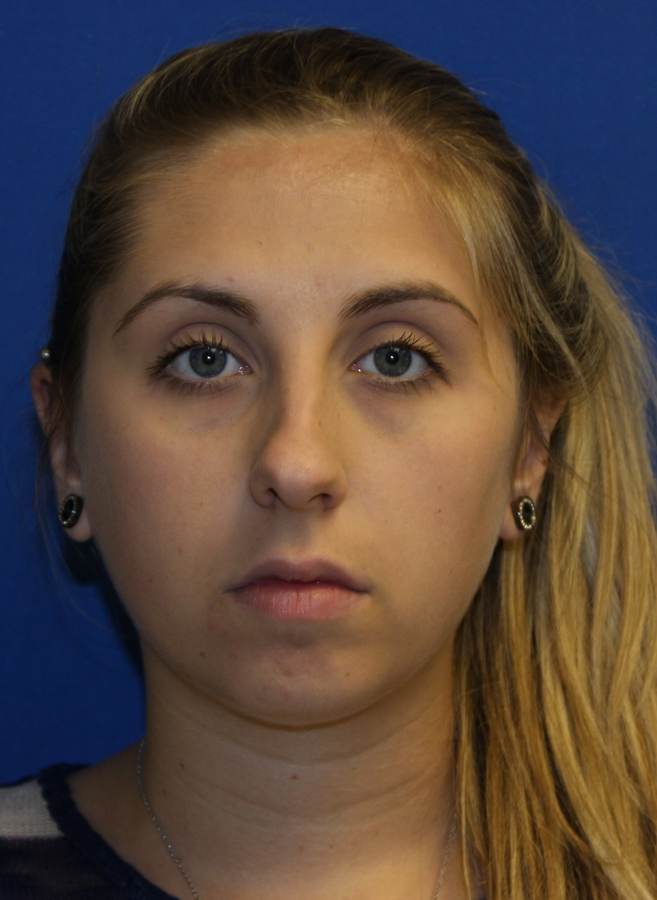
Shown with patient consent. Individual results vary by anatomy, technique, and healing.
View More Repair After Mohs Surgery Results in the Full Gallery →
"Had MOHS surgery on the side of my nose and then plastic surgery by Dr. Kim two weeks ago. Healing well, don't think there will be any scar at all."
"Needed Mohs surgery to remove a skin cancer on my nose. Following the off-site procedure, it looked pretty nasty. However, Dr. Kim patched me up very nicely — two weeks later, no one except me really notices."
"I had a Mohs procedure and Dr. Kim closed the incisions."