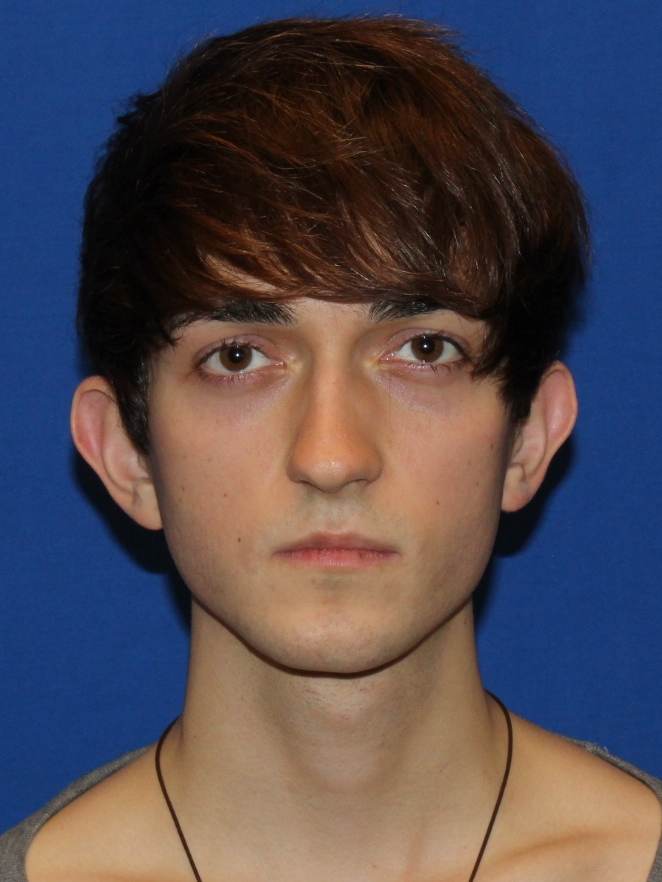
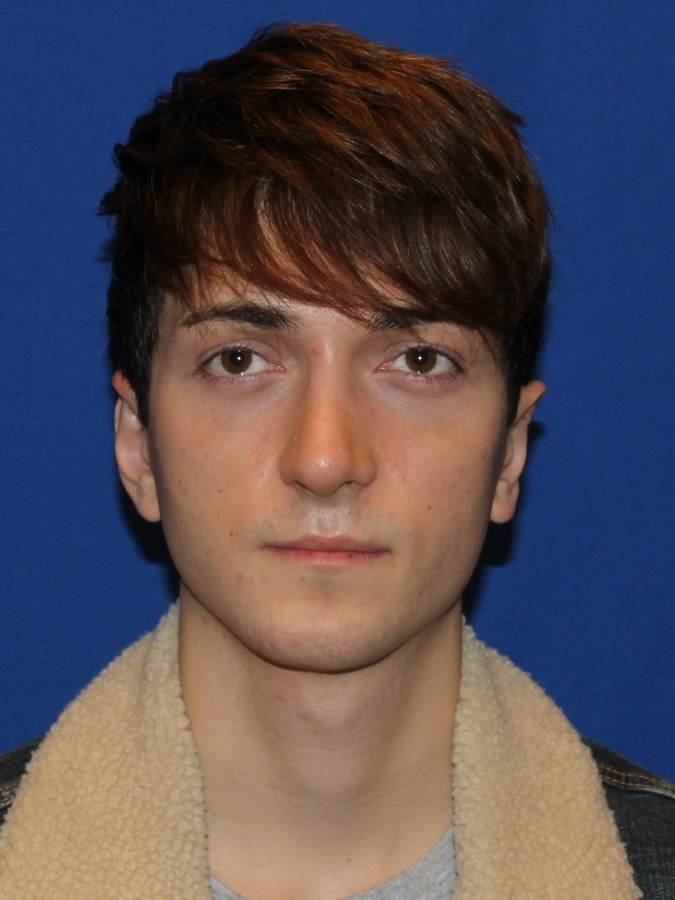
Balanced, natural-looking ears — for children and adults.
Otoplasty repositions and reshapes ears that stick out too far, appear overly large, or are otherwise misshapen. Most patients seek correction of prominent ears that project forward, whether that concern has been lifelong or newly bothersome. Dr. Kim performs otoplasty on both children and adults in Syracuse, Rochester, and Manhattan, NY.
Most patients are born with ears angled forward or outward. Two anatomic features are most often responsible.
The antihelix — the inner fold of ear cartilage — normally curves the ear back toward the head. When this fold hasn't formed fully, the ear projects forward more than it should.
The conchal bowl — the deep cup-shaped cartilage near the ear canal — can be larger or deeper than average, pushing the entire ear outward from the head.
Otoplasty can also address lop ear, cup ear, constricted ear, macrotia (overly large ears), and asymmetry between the two ears — not just the classic "sticking out" presentation.
During planning, Dr. Kim carefully examines each ear's anatomy to determine which combination of techniques will restore natural proportion and shape:
Most incisions are placed behind the ear, where they become inconspicuous as they heal. The procedure is performed at Natural Face Clinic's accredited, AAAHC-certified office-based surgery facility. Pediatric patients typically undergo the procedure at an outpatient surgery facility under light to moderate sedation; select patients may tolerate the procedure under local anesthesia with an oral sedative. Total surgical time is usually 1–2 hours, longer if lobe reduction or additional correction is needed.
Ear cartilage is largely mature by around age 5, but most young patients in Dr. Kim's practice undergo otoplasty at age 8 or older, once they can better cooperate with post-operative care.
Many parents come to Natural Face Clinic because their child is being teased or targeted by other kids specifically because of prominent ears. Correcting this before a child enters a new school setting, or at any point it's affecting their confidence, is a common and well-supported reason to pursue otoplasty — self-esteem, not just appearance, is often the real motivation. Female patients sometimes describe a different version of the same story: having hidden prominent ears behind long hair for years, now wanting the freedom to wear their hair back with confidence. Otoplasty does not affect hearing.
There's an on-call physician during off-hours, and every surgical patient (or parent, for pediatric patients) has direct access to the surgeon's personal cell phone for surgery-related questions.
Patients wear a headband or ear-band day and night, providing compression and preventing the ear from being accidentally pulled or retracted, especially during sleep. The ear can be sensitive, and pain medication may be needed for the first several days.
Daytime headband wear is often no longer needed, but nighttime compression should continue during sleep to protect the healing position of the ear.
We recommend continued caution to avoid the ear being accidentally pulled forward or manipulated for the first 8 weeks — this includes avoiding contact sports and vigorous activity that could put the ear at risk during this window.
While ear cartilage reaches maturity around age five, otoplasty is most commonly performed on patients aged eight and older in our practice, allowing for sufficient development and the ability to cooperate with post-operative care. Adults of any age can also undergo otoplasty.
No. Otoplasty can address protruding ears, asymmetrical ears, overly large ears (macrotia), and ear shape concerns from injury or congenital variation. Dr. Kim customizes the technique to each patient's unique ear anatomy and goals.
No. Otoplasty addresses the external ear's cartilage and shape only; it does not involve the ear canal or the structures responsible for hearing.
Otoplasty usually takes 1–2 hours, depending on complexity. If additional correction is needed, such as ear lobe reduction, the procedure may take slightly longer.
Most incisions are placed behind the ear, in the natural fold, where they become well-concealed as they heal.
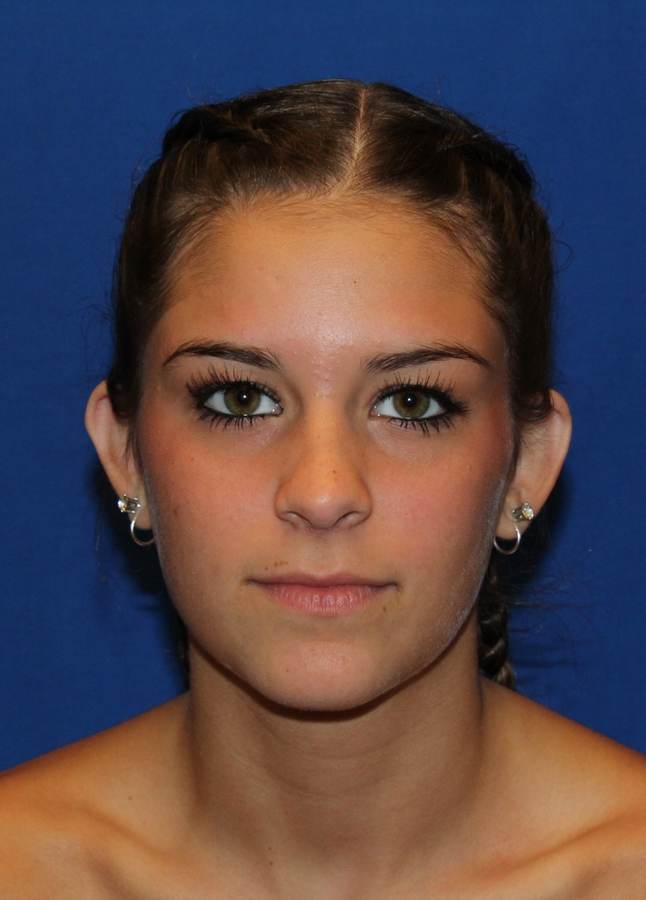
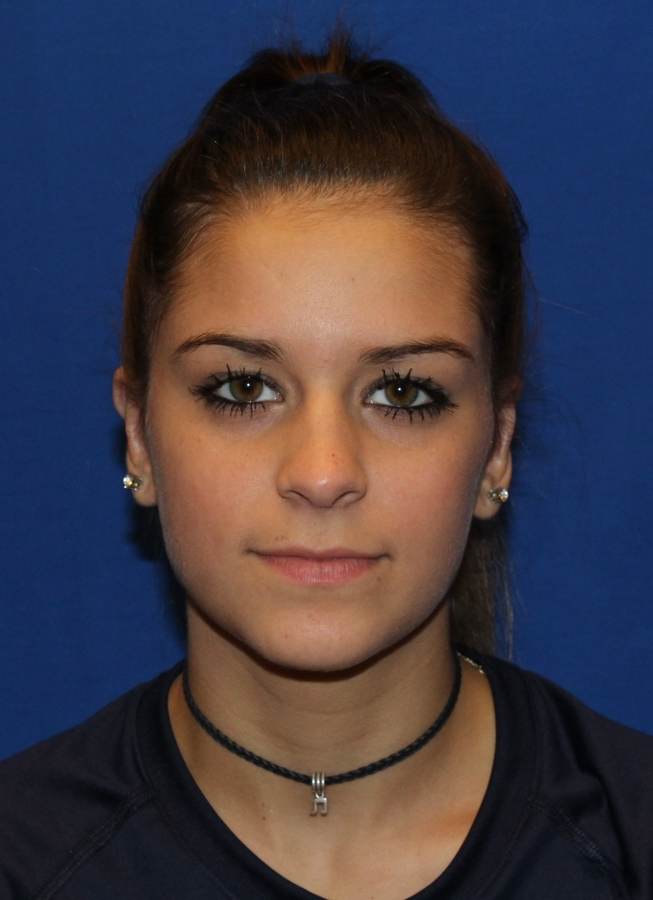
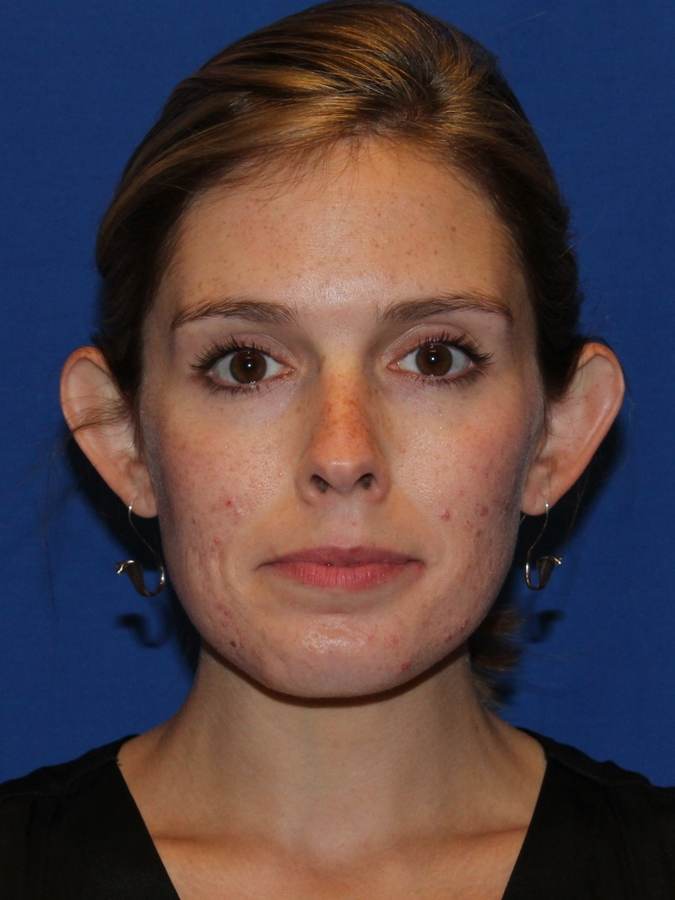
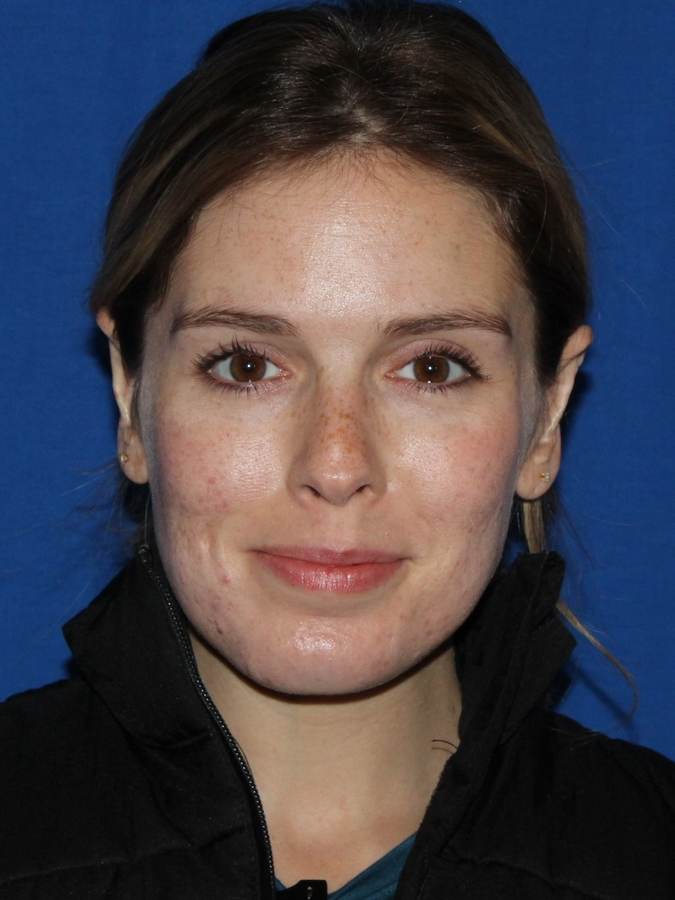
Shown with patient consent. Individual results vary by anatomy, technique, and healing.
"Dr. Kim did a great job and his staff is wonderful. Would go back to him again."
"Absolutely love Natural Face Clinics — Dr. Kim is amazing. He is professional, knowledgeable and the staff are fabulous! I would never go anywhere else."
"Lovely office... girls are great and Dr. Kim is the best."